










How Does fibreflow Work?
The working principles of fibreflow are simple and well developed. The pieces of equipment have been refined from user feedback, are easy to use and already have a long history of success, back to the 1980s.
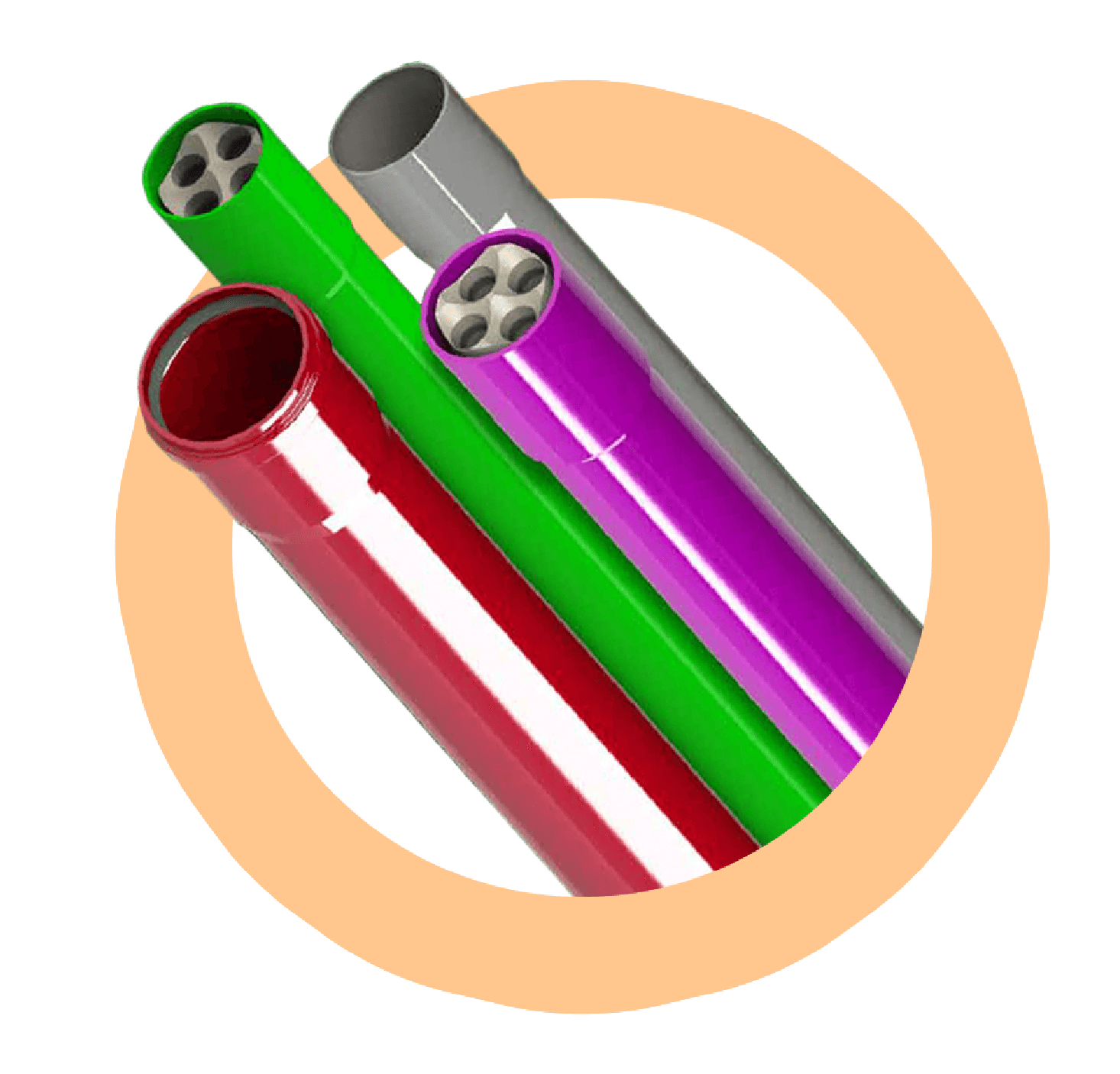
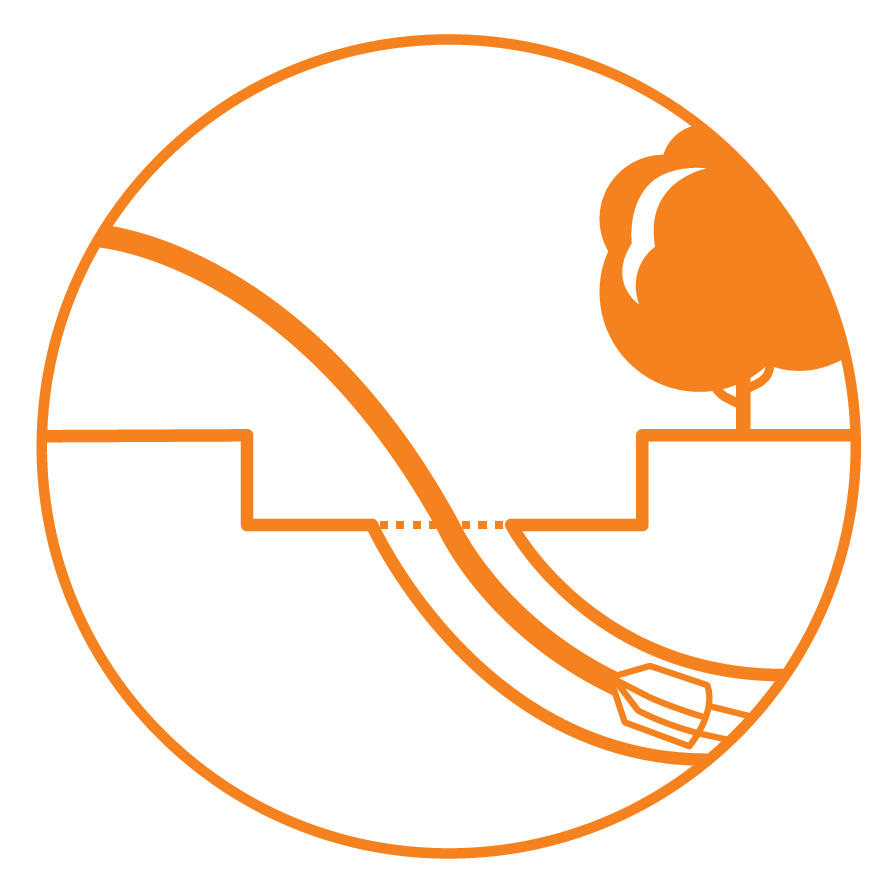
The blowing theory is based on airflow acting as a carrier in the microduct. The air flows over the fibre at high speed and thus imparts no tension or stress on the fibre.
The air supply is dried to the correct level and supplied down a plug-in hose.
Fibre unit is deployed stress-free from a pan, permitting access to both ends of the fibre.
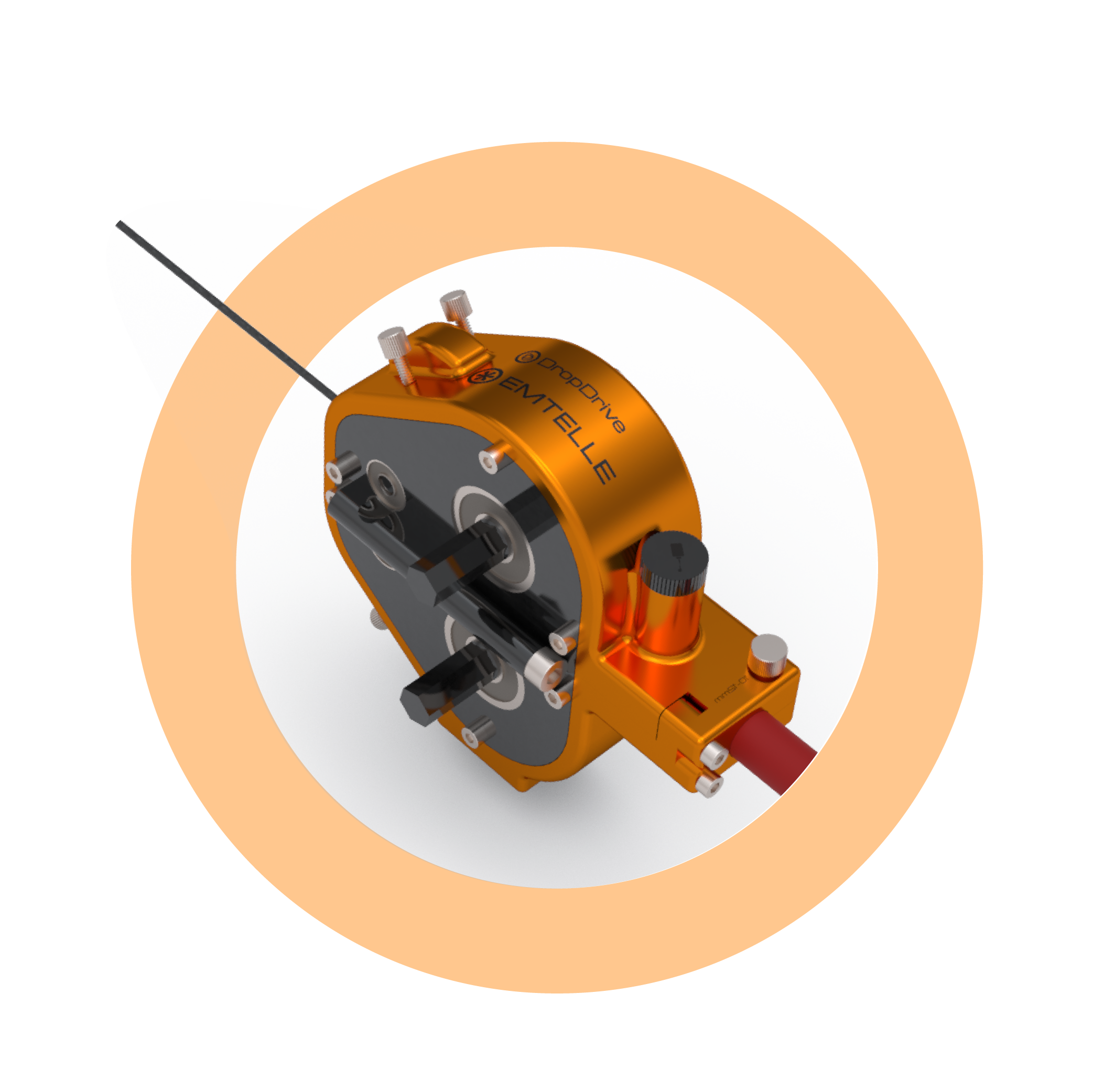
Blowing Head
The blowing head is very small and reliable, and easy to set up. It drives the fibre forward and measures speed, while also feeding in the air supply.
Air-blown routes are quickly created using push-in connectors for links and branches: This eliminates fibre splices wherever cables meet. A fibre can be blown through such a route typically in 20 or 30 minutes.
At the far end, the air is back to normal pressure, very safe, and the fibre emerges stress-free, gel-free, ready for connection in minutes.
There are range extending methods which mean that 5km or 6km of fibre can be blown in a single unbroken length, minimising splices and optical losses.
It is easy to plan a blow route, once it is decided what microduct size and fibre count are to be used. Manholes or access points can easily be planned for the whole access network.
The modular system means that to add a customer to an existing route is much simpler and cheaper than with traditional optical networks, with typically no need to re-dig the main street.
An indoor blowing operation