












Blown Fibre, fibreflow

Air-blown fibre is well established. 

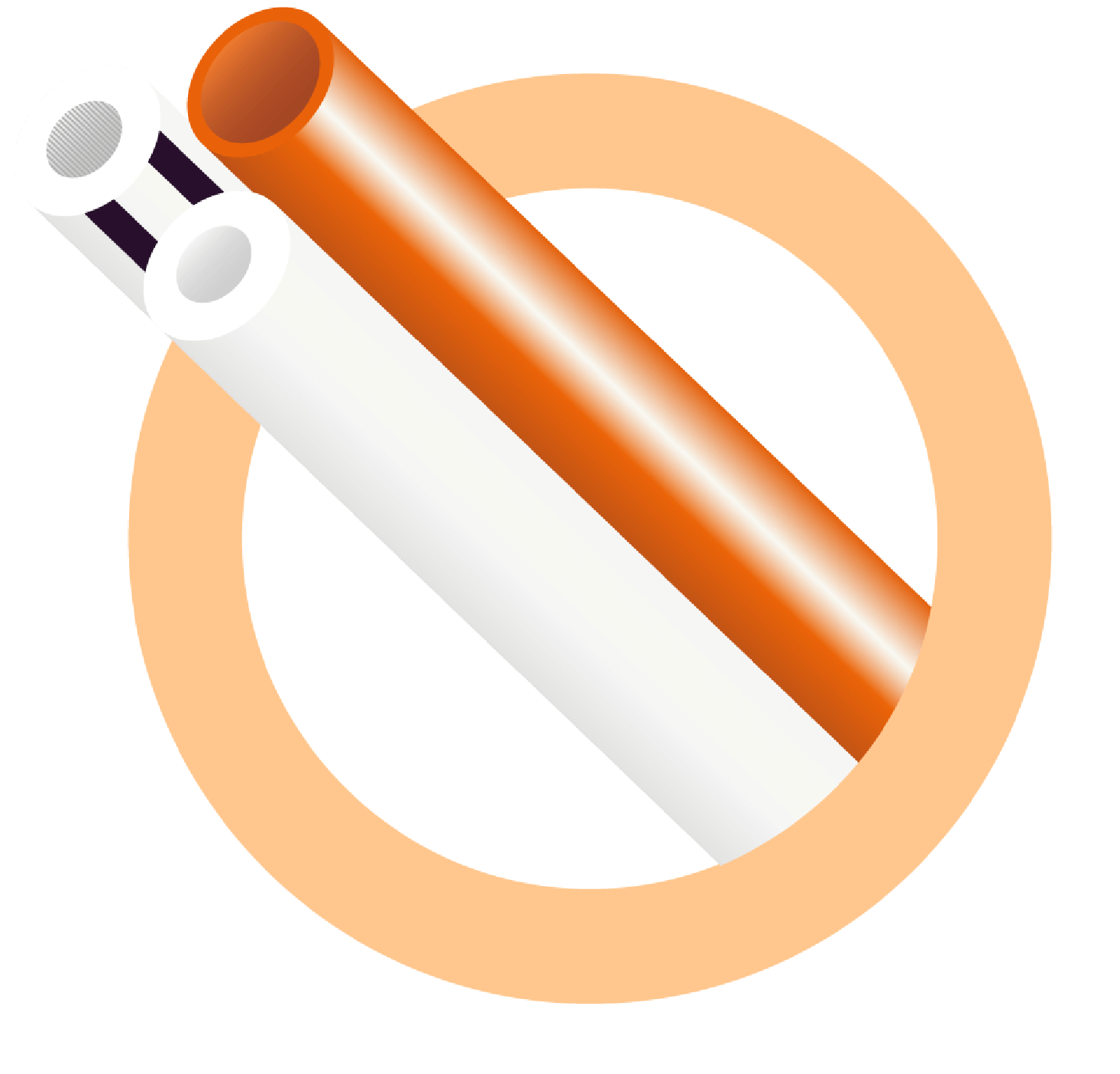
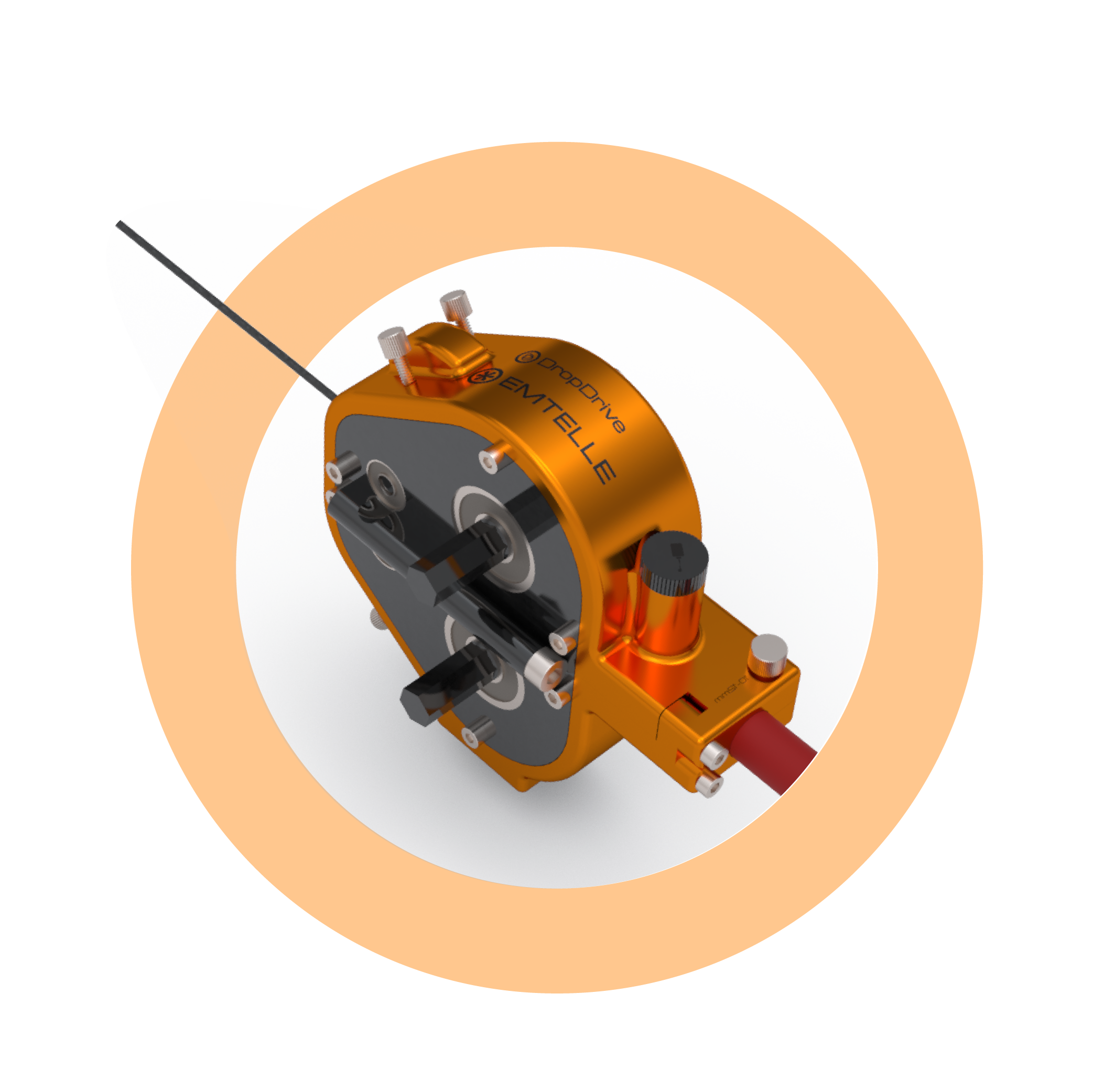
Air-blown fibre is a method of installing fibre optic cables that relies on the flow of compressed air easing the fibre all the way to its destination - sometimes 1km away. A set of rollers or caterpillar drive typically feeds the fibre into the microduct.

 
Fibreflow in Airports

Ideally suited to the Access Network ('The Last Mile') which compared to trunk routes has traditionally been difficult to plan due to intricacies of route and intermittent customer uptake.
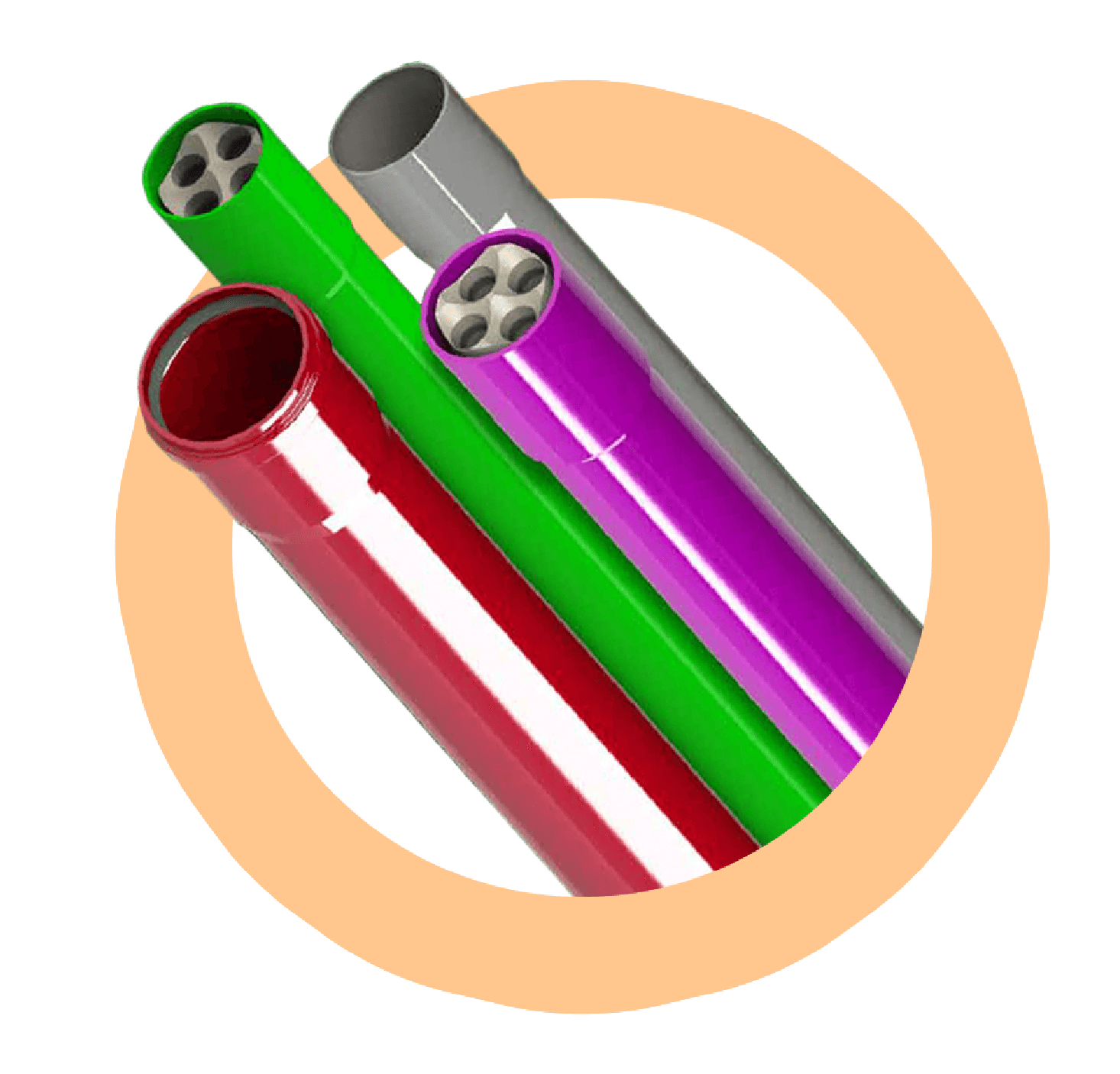
It was difficult to justify 24 fibres down a residential street if only 3 houses needed immediate connection. With blown fibre systems like fibreflow, a low-cost microduct route is installed, and fibre only added as and when it is needed, creating a fibre-lean solution. And when a new connection is required, there is no need to re-dig the street, just select an empty microduct and blow fibre in.

 
Fibre To The Home

Fibreflow air-blown systems are replacing traditional optics in access networks around the world.
The benefits include:

  • Reduced long term costs           
  • Much less splicing
  • Less manpower
  • Eliminates dead fibre
  • Simpler network planning
  • Easy quick upgrades in future 

   
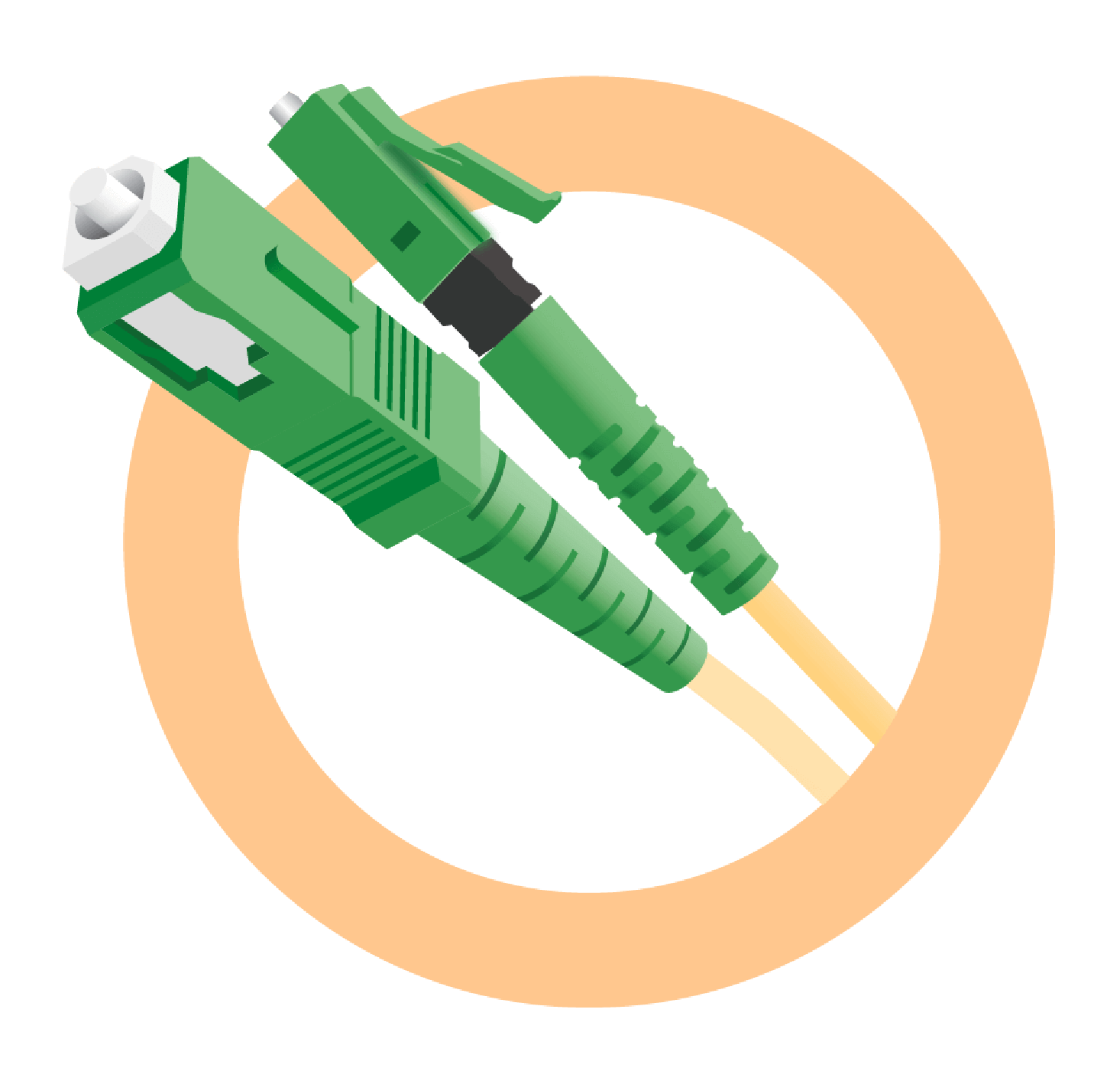
Simple Microduct Connectors, no splices

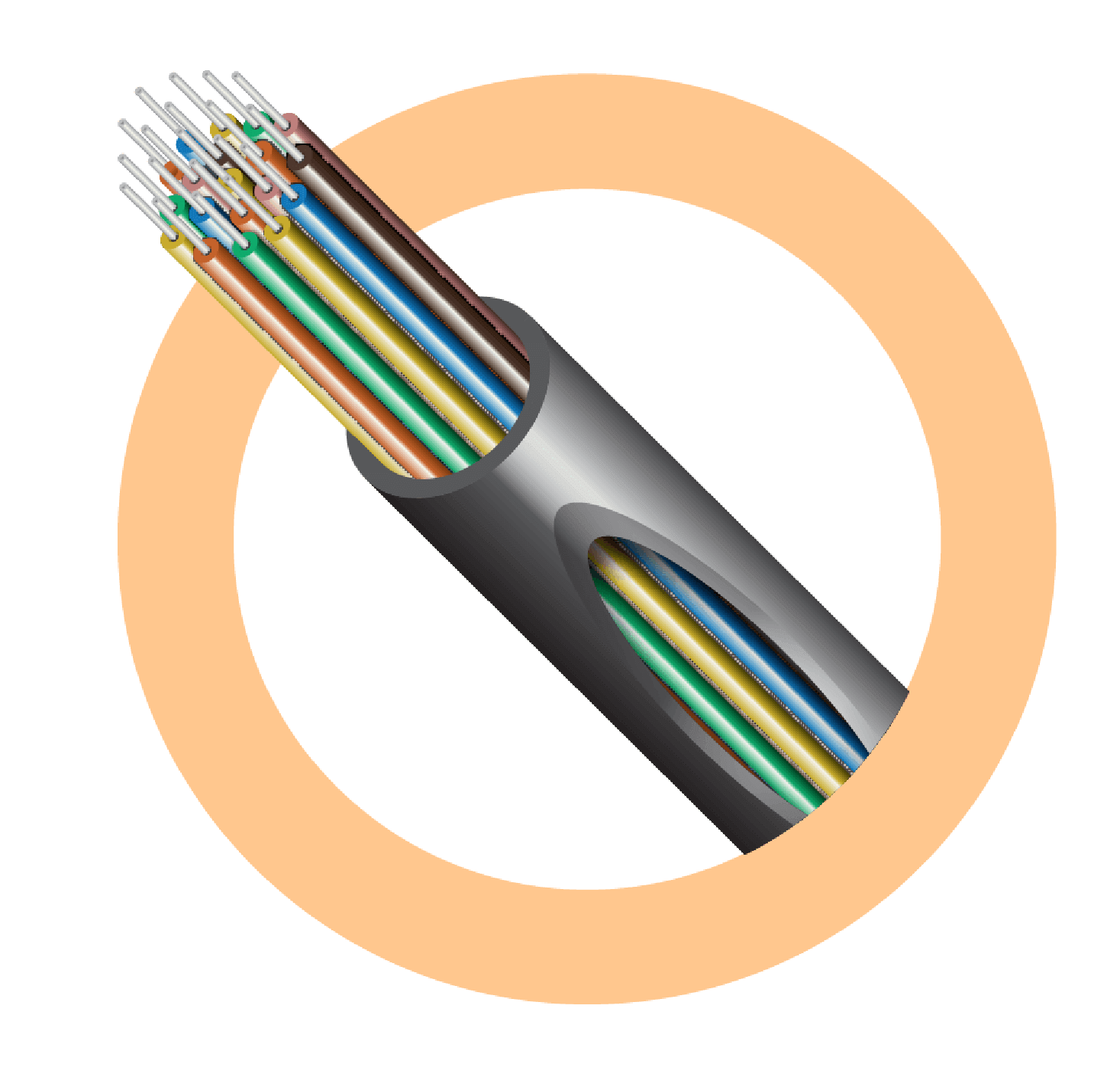
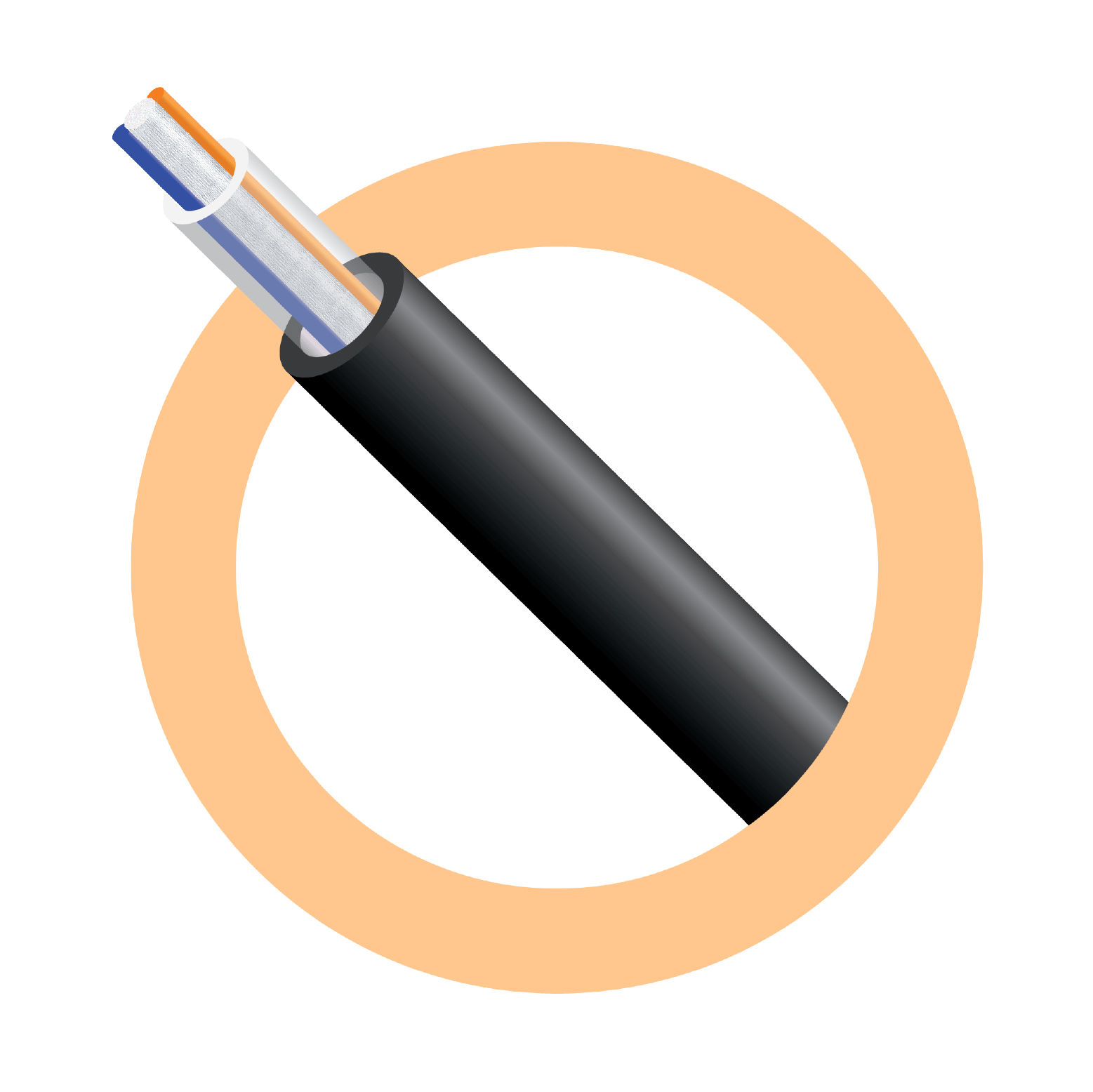
Fibreflow Blown Fibre takes the form of an ultra-lightweight single bundle of optic fibres designed for the access network ('The Last Mile') or campus.
The fibre bundle is blown into a miniature duct system, using airflow, that takes it all the way to the customer premises without splicing along the way.

 
The access network

 Disadvantages of traditional cables
Installation of cables underground has often subjected them to high pulling forces, as they are pulled into ducts by pulling machines.

Since optical glass cannot survive more than a few percent elongation, it has to be protected from high pulling forces. Even forces that do not cause fibre damage can reduce fibre lifetime significantly, and this makes low tension, low strain fibre installation all the more important if the fibres are not going to fail in their first year or so.


Some reinforced optical cables.


Strength members in traditional optical cables may be steel ropes, glass-reinforced rods or tapes, or aramid yarns. These make optical cables heavy, bulky, stiff, expensive, and increase stripping and handling time.
They are not required in blown fibre units, since the fibre unit is blown in stress-free, after the 'empty' cable has been installed.

 
Fibreflow bundles are installed with no fibres inside 
Installing 'empty' cables removes the need for tension control, and also the worry about fibres that will not be 'lit' for a long time. A large proportion of fibres in traditional fibre cables are still not active, and so delay investment payback.


Direct Buried bundle

Using just airflow to install fibre into pre-installed microducts exposes fibre to almost zero stress, and so no reinforcement of the fibre is needed. For the multi-branching access network, this is a big technical advance. And fibre lifetime is preserved in full.

 
12 Fibre Unit

A fibre element with individual fibres stripped out. There  is no sticky gel to remove. 


It is clear that such a simple fibre element has many advantages over 'standard' optical cables, and fibreflow is already sweeping away the idea that Fibre To The Home is costly and not viable.

LINK - The Fibreflow System

LINK -  How Does it Work

LINK - Features & Benefits

LINK - Installation Methods

LINK - Success Stories

INNOVATION
Emtelle has introduced many innovative developments during the years of involvement with Blown Fibre Systems.

Including:
  • 19 way bundles
  • Direct Buried range
  • Fully Blocked range
  • Rodent resistant designs
  • Tensile Resistant designs
  • Termite Resistant range
  • 24 way bundles
  • Combo designs (2 or more tube sizes in one bundle)
  • Reinforced LFH construction
  • Lower Friction microduct as standard (greater blowing distance)
  • 3mm microduct range for FTTH
  • Emtelle fibre units
  • Metal-free alternatives
  • Aerially deployed range
  • Steel armoured options
  • Dedicated closures for the fibreflow System

All of this activity demonstrates Emtelle’s commitment to Blown Fibre Solutions

INTERNATIONAL STANDARD
A new International Standard for blown fibre has been written.  


Fibre Product CatalogueFibre Speedtest
EMTELLE NEWS ROOM
Emtelle and Parixit Industries India enter into a strategic alliance

Read more...

Emtelle Appoints New Group CEO

Read more...

Emtelle helps Scotland’s first ‘Next Generation’ community gain access to triple play services

Read more...

Passive Infrastructure that fuels Intelligent Transport Systems

Read more...

Emtelle presents the practical and financial rewards of investing in fibre

Read more...

Emtelle certifies over 300 fibre installation technicians in the Netherlands

Read more...

Emtelle’s fibreflow technology ideal for FttH roll-out in New Zealand

Read more...

Emtelle’s technology streamlines installation of Intelligent Transport Systems in Australia

Read more...